
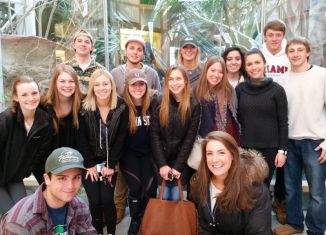

During the 2015-2016 school year, the AP Environmental Science (APES) class has quadrupled in size. Last year, there was only one class period of APES with 14 students, compared to three full class periods with a total of 60 students this year.
The APES classroom is typically filled with senior students coming from physics and honors physics. There are also juniors and a select few sophomores. Any grade level may enter APES, as it often comes as a great alternative to Physics or AP Physics.
APES is the study of how humanity affects the environment, which is a topic that appeals to many students. “APES has grown since there is an increased interest in environmental concerns and awareness,” said APES Senior Nick Rowell.
“Many of my students who want to take their first AP class, decide on APES. The low amount of math may also contribute to its popularity, but its real world relation gets students involved, which I enjoy,” said APES teacher Brittany Anderson. “So much of what we talk about in class pops up in current events, which means the students are engaged in the class discussion and bring in stories from outside class that relate to the content.”
Though the tests may be rigorous, the class work, projects and discussions outshine it. The class offers many field trips and extra credit opportunities outside of school that let the students dive into real life experimentation and engagement. Some of these trips include visiting the wastewater treatment plant, the arboretum, Whitesburg Park, and the Botanical Gardens.
With all of these options and a huge span of covered material, it’s no wonder the class remains so popular and a favorite for students wanting and willing to learn more about humanity’s effect on the environment.
Submitted by Nick Meador and Niko Papageorge, Students, Chagrin Falls High School
